What is human resources?
By Louis-Félix Gilbert · Updated
Human resources (HR) is the work of taking care of a company’s people: hiring, paying, training, helping them perform and handling departures, fairly and within the law. Here is what HR does, its main functions, and HR for beginners and small businesses, with one running example: a landscaping company growing from 3 to 15 employees.
1. Human resources meaning
A company’s results depend on its people. Human resources is both the name of that work and of the team that does it in larger companies. In the landscaping company, there is no HR department: the owner does it, and she starts to feel it when she hires twelve seasonal workers in one spring.
2. What does HR do? The main functions
- Workforce planning: which roles the company will need, and when.
- Recruiting and hiring: job descriptions, finding candidates, interviews, offers. A structured interview, with the same questions for every candidate, gives fairer and better choices.
- Onboarding: preparing the first days and weeks so new people become productive quickly.
- Pay and benefits: salary levels, payroll, benefits, bonuses.
- Performance and development: goals, feedback, reviews, training and promotions.
- Culture and employee relations: values in practice, communication, handling complaints and conflicts.
- Compliance: employment law, health and safety, records, fair treatment.
- Departures: resignations, dismissals and succession, done respectfully and legally.
3. What is human resource management?
Human resource management (HRM) treats people as a key resource to plan and develop, not just paperwork. For the landscaping company, that means asking: which crew leaders will we need next year, can we promote from inside, and why did three good workers leave last fall?
4. HR for a small business: a starter checklist
- A short written description and scorecard for each role: the results expected, not just tasks.
- A written offer and contract for every hire, following local employment law.
- A payroll service or software, so pay and deductions are right and on time.
- A first-week plan for new hires: equipment, safety training, who to ask.
- Regular short check-ins and an honest yearly review.
- A simple employee handbook: hours, pay, holidays, safety, conduct.
- An advisor or employment lawyer to call before a dismissal or a difficult case.
5. Employees vs contractors: what is the difference?
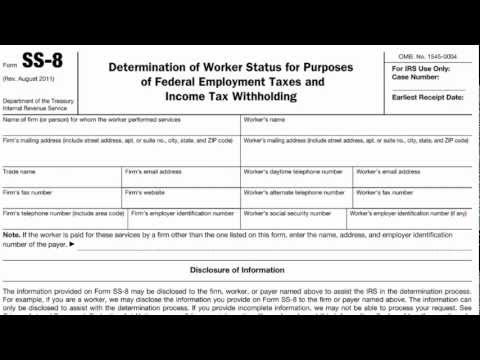
Many small businesses start with contractors. The difference is not the contract title: if you set the hours, supply the tools and direct how the work is done, the law may consider the person an employee, with payroll obligations. Check your local rules before deciding.
| Employee | Independent contractor | |
|---|---|---|
| Who controls how the work is done | The business | Mostly the worker |
| Taxes withheld by the business | Yes (income tax, Social Security, Medicare) | No: the worker pays their own |
| Typical tax form | W-2 | 1099-NEC |
| Benefits | Often | Usually none |
6. Human resources for beginners
If you are a new manager or founder doing HR for the first time, focus on these five habits:
- Hire slowly: define the role first, then interview with the same questions for everyone.
- Make expectations clear in writing.
- Give feedback early and privately, not only at the yearly review.
- Keep records of hiring, pay, reviews and incidents.
- Treat every person the same way in the same situation.
7. A career in human resources
HR jobs range from HR assistant and recruiter to HR manager, payroll and benefits specialist, training lead and HR director. People enter through HR certificates and degrees, or from neighbouring roles. The work suits people who are organized, discreet, fair, and comfortable with both people and rules.
This page is general information, not legal advice. Employment law differs by country, state and province.
Questions people ask about human resources
What is human resources in simple words?
Human resources (HR) is the part of a business that takes care of its people: hiring them, paying them, training them, helping them perform, keeping the workplace fair and legal, and handling departures.
What does HR do day to day?
Writes job descriptions and runs hiring, prepares contracts, onboards new staff, manages payroll and benefits with finance, organizes performance reviews and training, answers employee questions, and handles conflicts and departures.
What is human resource management?
Human resource management (HRM) is managing people as a key resource of the business: planning the team the company needs, then attracting, developing, motivating and keeping them, within the law.
Does a small business need HR?
It needs the HR work, not necessarily an HR department. In a small business the owner usually does it, with help from a payroll service and an employment lawyer or advisor for difficult cases.
What is the difference between an employee and a contractor?
An employee works under your direction and you handle payroll taxes and benefits. A contractor runs their own business and controls how they do the work. The law looks at the real relationship, not just the contract title, and misclassifying can be costly.
How do I start a career in human resources?
Common routes are an HR assistant or coordinator role, a degree or certificate in HR or business, and moving from another team (recruiting, payroll, office management). Employment law, communication and discretion are core skills.
Sources
Official and reference pages used for this guide, checked on November 24, 2026. General information, not legal or tax advice.
- IRS: Independent contractor or employee?
- U.S. Department of Labor: Wage and Hour Division
- U.S. Small Business Administration: Hire and manage employees
Who wrote this guide
Louis-Félix Gilbert has been starting businesses since he was a teenager. He picked and ordered every lesson of Founder 336, does the program himself in public, and answers messages. Find him on LinkedIn, Instagram and TikTok.
Learn it with Founder 336
Founder 336 is a daily program where you watch carefully chosen business videos, answer questions, and apply each lesson to your idea or a practice company like Apple. Its people days cover defining a role and a scorecard, sourcing and the recruiting pipeline, structured interviews, compensation and incentives, onboarding, performance and feedback, company culture, departures and succession, organizational design and employment law fundamentals, plus employees vs contractors and running payroll.